

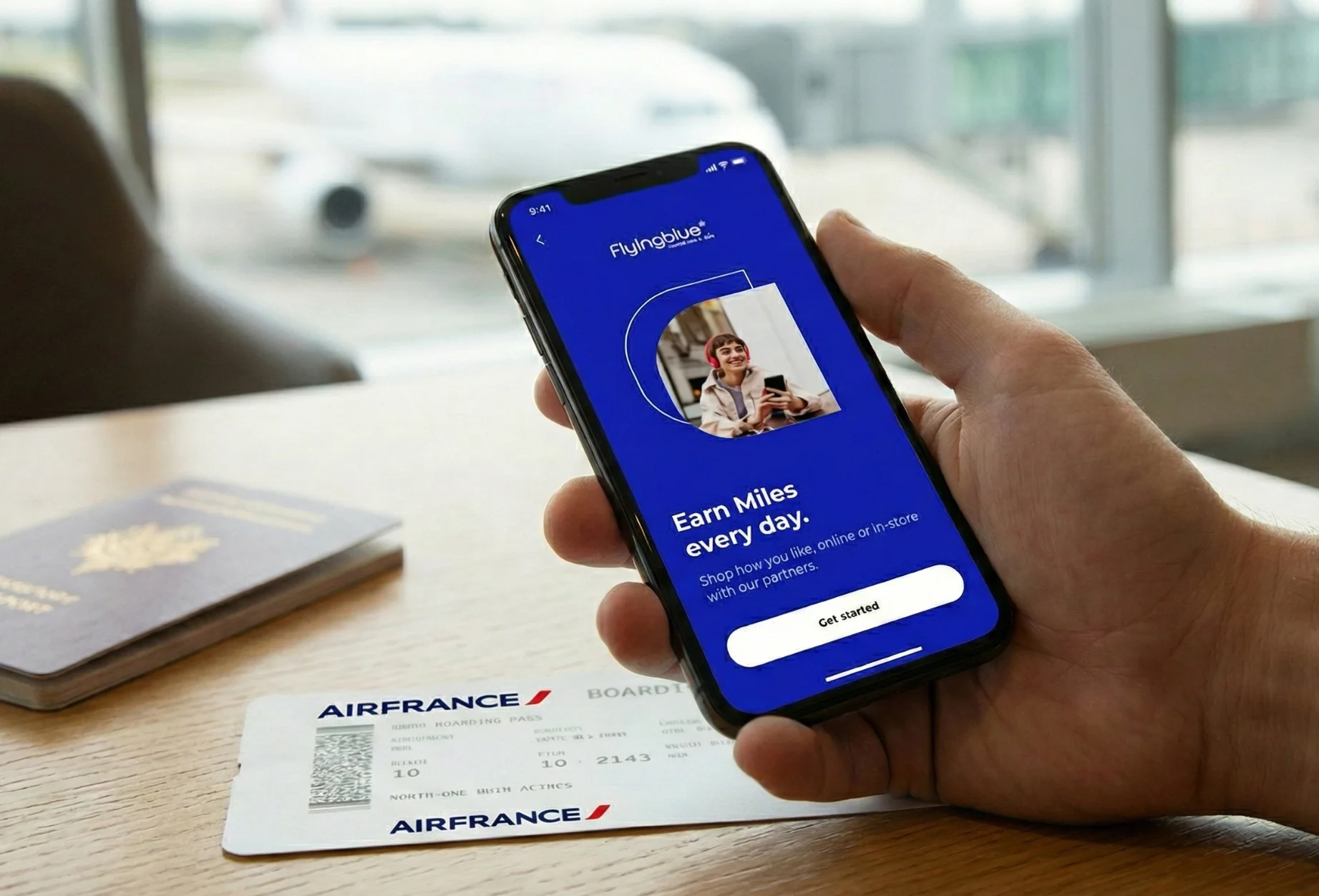
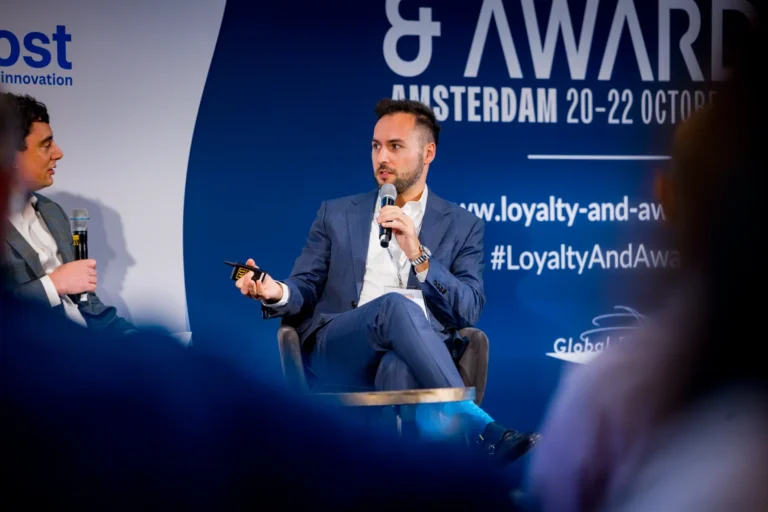
Insights inspired by Ben Lipsey’s (Senior Vice President of Loyalty at Flying Blue) keynote at Loyalty & Awards 2026, in Amsterdam.
Airline loyalty programmes have long existed in a paradox. They began as a way to thank frequent travellers, evolved into sophisticated marketing machines, and today often outperform the airline itself in profitability. Yet, for all their financial weight, the strongest loyalty programmes are still built on something that can’t be measured on a balance sheet: emotion.
Ben Lipsey captured this tension beautifully during his keynote at the Loyalty & Awards conference in Amsterdam. What emerged was a portrait of modern loyalty that is both highly analytical and deeply human.
Below, we explore the themes that stood out most, and how they connect to broader shifts reshaping travel loyalty.
Loyalty Programmes Are Now Businesses Within Businesses
One of Lipsey’s most compelling revelations was numerical: while airlines typically operate on thin margins—often around 5%—loyalty programmes can achieve operating margins above 25%. In Flying Blue’s case, Q2 of 2025 margins reached 26.5%, nearly five times higher than the airline group average.
This isn’t an exception; it’s a trend. Selling miles to financial partners, retailers, and co-brand credit cards has transformed loyalty into a high-margin, high-engagement powerhouse. As Lipsey noted, 18% of members generate 30 to 40% of third-party revenue, revealing how intensely concentrated the value can be.
But profitability is not the whole story. High-performing programmes also function as strategic hedges: they help fill seats in low-demand periods, cushion fluctuations in USD-denominated costs, and even stabilise the airline through economic cycles.
In other words: loyalty is an asset class built on behaviour, not aircraft.
Engagement Is the Real Currency
Flying Blue’s active member rate, over 50% in 24 months, across 30 million members, is unusually high for a global programme. Lipsey’s definition of “active” is simple: earn or redeem within 12 or 24 months.
But behind the number is a clear truth: loyalty is only valuable when it’s used.
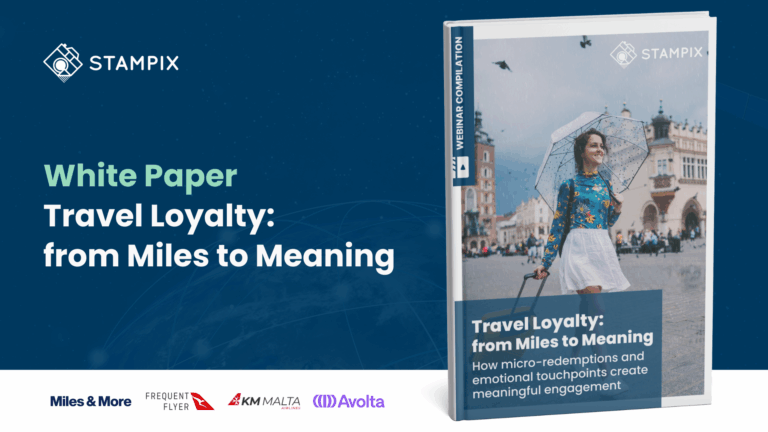
This aligns with our recent The Future of Travel Loyalty white paper’s core argument that modern loyalty is moving from miles to meaning:
- Members want earlier gratification, not rewards that feel distant or unattainable.
- Micro-redemptions (e.g., small treats, personalised surprises) help keep engagement alive between bigger trips.
- Emotional touchpoints—recognition, small gestures, “I see you”—have more loyalty impact than transactional incentives.
As the white paper emphasises, experiential factors have twice the impact of points for airlines, and four times the impact for hotels when driving repeat choice.
Lipsey’s programme seems to reflect this philosophy intuitively: recognition in Europe matters more than credit card points in the U.S., and a handwritten note may be worth more than a lounge pass.
Loyalty Is Regional, But Emotions Are Universal
Lipsey’s keynote underlined the importance of understanding regional psychology:
- North America prioritises points, credit cards, and transactional earning.
- Europe prioritises status, recognition, and feeling valued.
- Africa has some of Flying Blue’s highest-spending Platinum members, reflecting yet another behavioural profile.
Yet across all markets, one pattern repeats: aspiration drives behaviour. A free flight, a premium cabin seat, a rare experience—these are the emotional north stars of airline loyalty. But aspiration alone isn’t enough anymore.
As the white paper notes, younger travellers are increasingly unwilling to wait years for value. 14% of Gen Z and 19% of Millennials cite “rewards take too long to accumulate” as a top barrier to joining programmes.
Modern loyalty requires both: the dream and the proof. The balance between long-term aspiration and early wins is where loyalty either thrives or fades.
The Quiet Power of Everyday Relevance
The most recent cases make clear that travel loyalty cannot rely on travel alone. Travel is episodic; life is daily.
Qantas, Miles & More, Marriott Bonvoy, KM Malta Airlines, and Avolta are already expanding into everyday earn-and-burn partnerships (from supermarkets to cafes to financial services) creating loyalty ecosystems that feel relevant even when a member is not flying.
Flying Blue mirrors this by focusing on local partnerships to reduce dependence on U.S. credit card economics, especially with regulatory threats such as interchange caps in Europe.
Everyday relevance does two things:
- It keeps members active, which fuels both emotional connection and financial performance.
- It builds identity, reminding members that the programme “travels with them,” even off the plane.
As we explored in The Future of Travel Loyalty, the strategy must evolve from a seasonal interaction into a lifestyle habit. Otherwise members drift away.
Final Reflection
Ben Lipsey’s keynote made one thing clear: Airline loyalty is no longer about planes, routes, or even miles. It’s about behaviour, emotion, and the moments that shape both. Across all four themes, one message stands out: loyalty programmes may operate like powerful businesses, but they only thrive when members stay genuinely engaged.
What Lipsey highlighted so clearly is that this value looks different around the world, but the emotional drivers behind it are remarkably consistent. Members want to feel recognised early, rewarded fairly, and connected to something that understands their needs, whether that means status in Europe, points in North America, or aspiration everywhere.
The future belongs to the programmes that can do what the best relationships do: balance the practical with the emotional, the everyday with the extraordinary, the rational with the deeply human.
Subscribe to our Newsletter
Subscribe to receive our exclusive insights and events before everyone.
Start building a program that sparks joy and drives results.

Subscribe to our Newsletter
We promise we won’t flood you with emails! Every two months we will send you an insightful newsletter with marketing and loyalty news, interesting blogs and new product releases.