

As the 2026 World Cup electrifies stadiums across the US, Canada, and Mexico, a parallel tournament is taking place off the pitch. With 48 teams and billions of eyes watching, sports properties and corporate giants face a massive challenge: How do you turn short-term tournament hype into lifetime brand loyalty?
The answer lies in the psychological bridge between Engagement (what fans do) and Loyalty Rewards (how brands recognise and validate that behaviour). In modern sports marketing, loyalty is no longer a passive state of mind. It is an ecosystem driven by gamified incentives, status validation, and high-value rewards.
Let’s look under the hood of major activations happening right now and analyse how they connect the dots between active fan engagement and the rewards side of loyalty.
1. The FIFA Fan ID
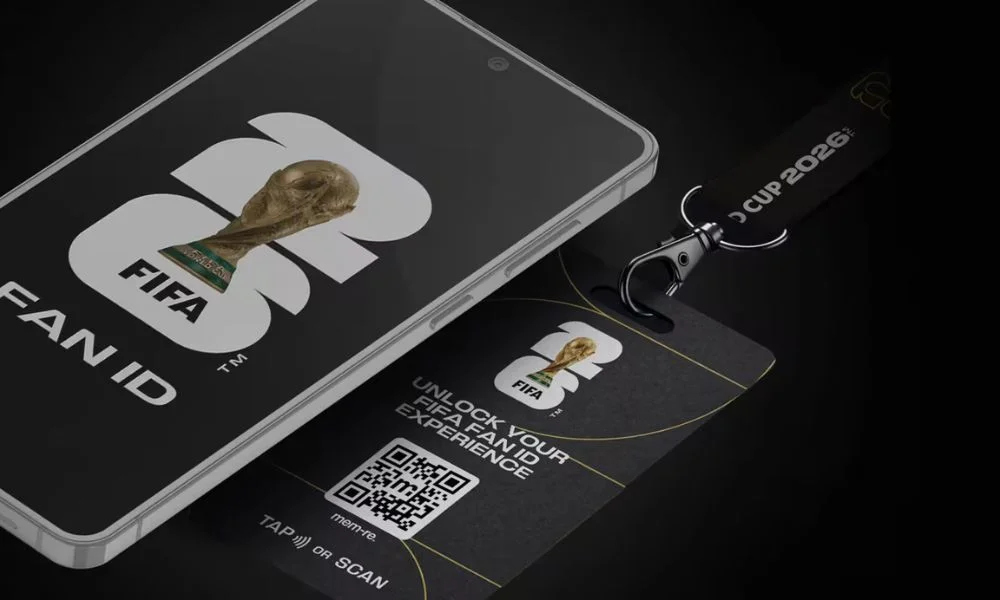
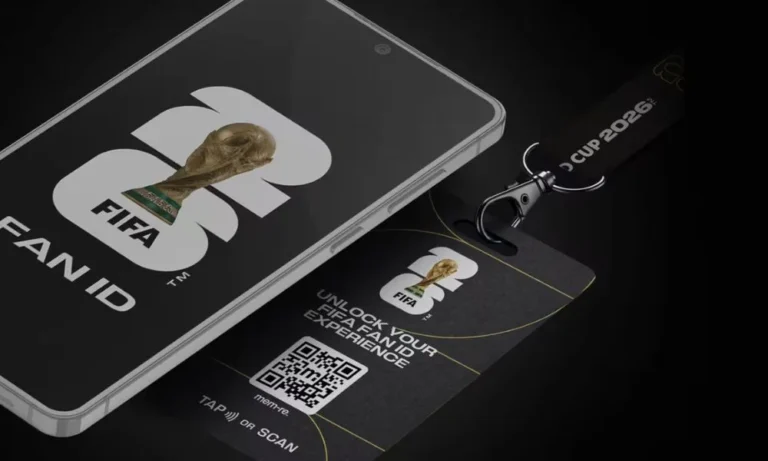
Historically, Fan IDs were mandatory government security documents. For 2026, FIFA turned the model on its head by creating a completely optional, free physical NFC card on a lanyard.
FIFA uses the physical card to nudge fans into continuous digital action. Tapping the card against a phone unlocks an app-based World Cup 2026 Passport. Every action a fan takes, such as checking into a stadium three hours early, completing trivia, or interacting with digital sponsor boards, acts as a non-transactional engagement touchpoint.
The loyalty engine here is entirely powered by gamified progression and digital asset rewards.
- The Carrot: By engaging, fans collect digital “stamps” on their virtual passport. These stamps dictate their tier level.
- The Payout: Advancing through the tiers unlocks tangible, rewards that boosts dopamine: exclusive Panini digital sticker packs, VR stadium experiences, and direct discount vouchers for official tournament merchandise.
- Value Co-Creation: The system also rewards creative engagement. Fans upload their matchday photos to blend with official graphics, creating highly personalised, limited-edition merchandise that serves as an emotional reward.
Loyalty Mechanics: This connects directly to the Self-Expansion Model. FIFA isn’t just saying “buy a jersey.” They are rewarding fans with digital status and customisable memories, converting immediate matchday excitement into long-term brand relationship.
2. The adiClub x FIFA Rewards
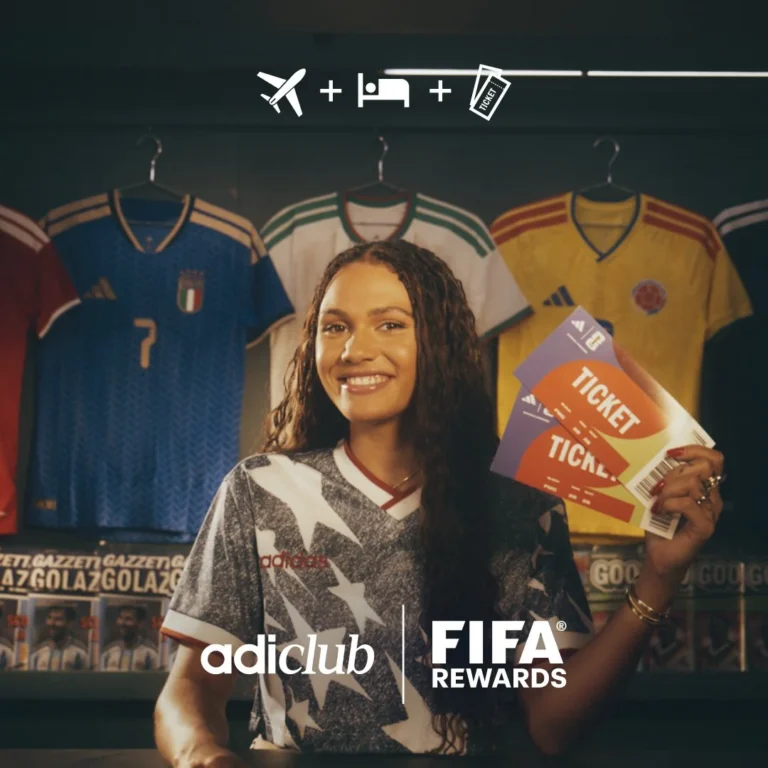
This partnership represents the most point-driven loyalty mechanism of the tournament. Adidas and FIFA have synchronised their databases, allowing fans to link their adiClub and FIFA Rewards accounts.
This strategy rewards multidimensional extra-role behaviours. Fans aren’t just rewarded for buying a pair of cleats; they earn points for downloading both apps, linking their digital identities, playing the FIFA Rivals mini-game, and sharing sponsored content across social media.
This program is focused on high-value, scarcity-driven extrinsic rewards.
- The Point Boost: Simply linking accounts triggers an immediate 2x point multiplier across both platforms, giving fans an instant feeling of reward progression.
- Scarcity-Led FOMO: To reward the most active fans, they launched a restricted drop of official World Cup mini-ball sets. Only 10 total sets were made available globally, redeemable strictly on a first-come, first-served basis for a massive 10,000 loyalty points.
- Aspirational Sweepstakes: Ongoing digital engagement fuels entry into “money-can’t-buy” luxury rewards, such as all-expenses-paid trips to the World Cup Final and signed gear from sponsored athletes like Ousmane Dembélé.
Loyalty Mechanics: This leverages extrinsic rewards. It provides a transactional loop that drives short-term data collection. However, the critical challenge is sustainability: because the loyalty is tied closely to high-value handouts, the engagement loop faces a steep drop-off once the tournament concludes and the prize pool empties.
3. Marriott Bonvoy x Visa
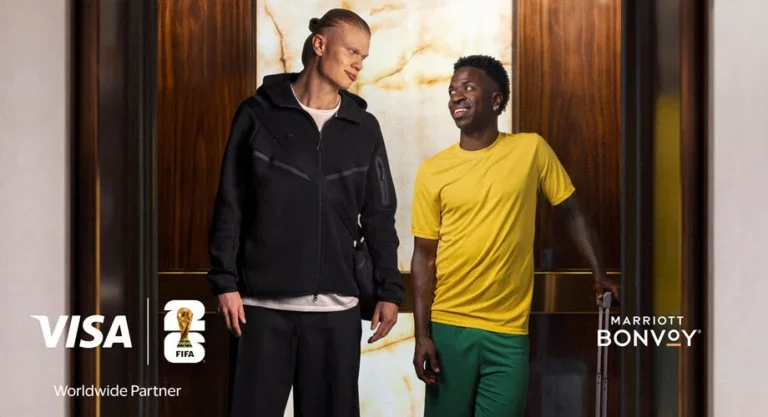
Marriott Bonvoy teamed up with Visa for the global “For Fans, Everywhere” campaign, leveraging the massive gravity of the tournament to drive premium user acquisition and active point engagement.
This activation targets members who have consistently engaged with the hotel portfolio and co-branded Visa credit cards. To tap into the peak excitement of the tournament, the campaign utilises the Engagement-Satisfaction-Loyalty Chain by rewarding routine brand interactions with high-sentiment matchday access.
Marriott and Visa focus heavily on intense scarcity and “money-can’t-buy” experiential rewards:
- The 1-Point Drops: Every Friday, the Marriott Bonvoy Moments platform rolls out fixed-price “1-Point Drops,” allowing attentive fans a first-come, first-served opportunity to redeem a single loyalty point for premium match tickets and luxury hospitality packages.
- The “Sleepover Suite”: The ultimate luxury reward. Eligible Visa-holding members can enter a sweepstakes to win a one-night stay inside a luxury skybox hotel room directly within the New York New Jersey Stadium on the night before the World Cup Final. The prize package bundles the stadium sleepover with two Final tickets, round-trip flights, and a multi-night stay at a local Marriott property.
Loyalty Mechanics: This builds loyalty through Status Maximisation. By treating the tournament pitch as an extension of a luxury hotel suite, Marriott successfully blends the emotional high of the World Cup Final with the comfort of its hospitality brand, maximising long-term Brand Relationship Quality (BRQ).
4. American Airlines AAdvantage
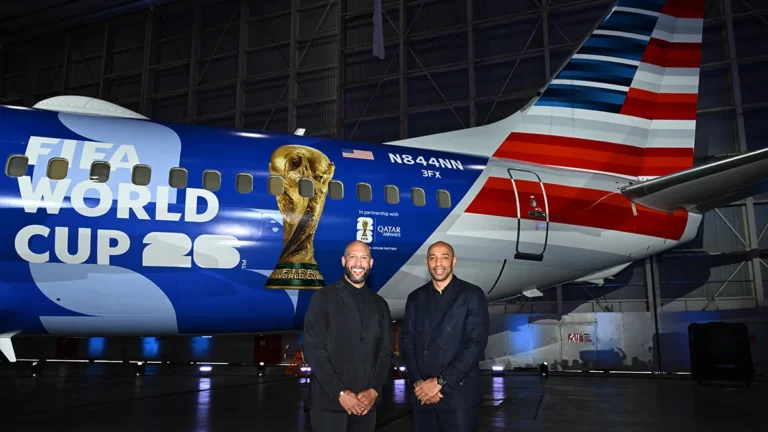
To celebrate its centennial year, American Airlines utilised its AAdvantage loyalty program to provide point-to-experience transactions and inflight utility gating across all 104 matches.
Rather than targeting fans purely at the stadium gates, American Airlines captures fans mid-transit. The engagement action requires travellers to maintain an active loyalty account or utilise their frequent flyer miles to justify real-time digital access or ticket redemptions.
American Airlines deploys a blend of utility-based rewards and premium experiential status:
- Inflight Gating via FOX One: American Airlines partnered with FOX One to stream all 104 matches live over inflight Wi-Fi on domestic flights. However, this premium benefit is strictly gated behind an AAdvantage account login. Non-members must pay a standard fee or miss the action, turning connectivity into a valuable membership reward.
- Direct Ticket Redemption: Members are given the rare opportunity to redeem their AAdvantage miles directly for official World Cup match tickets, boosting the perceived purchasing power and value of the airline’s point economy.
- 100 Stories High Celebration: To elevate the brand’s profile among elite tier frequent flyers, the airline hosted exclusive tournament celebrations 100 stories high at Edge NYC in Hudson Yards.
Loyalty Mechanics: This highlights an extrinsic rewards combined with utility value. Gating free live streams behind a loyalty login turns a potentially frustrated traveller into an appreciative member. However, the critical perspective remains that these luxury perks reinforce value for existing travellers and frequent flyers, but do very little to expand the database.
Conclusion: The New Playbook for Fan Retention
The activations lighting up the 2026 World Cup make one thing undeniable: the old playbook of passive fan sponsorship is officially obsolete. In a fragmented digital landscape, a fan’s attention is the ultimate currency, and brands can no longer buy loyalty through mere visibility. Instead, they must trade for it using a sophisticated spectrum of rewards.
By analysing these campaigns, a clear path of modern loyalty rewards emerges:
- The Gamified Digital Incentive (FIFA Fan ID): Turning non-transactional actions into a clear progression system, using digital passport stamps and digital assets (like Panini packs) to capture the mass-market data pipeline.
- The Extrinsic Point Economy (adiClub x FIFA): Leveraging high-value corporate scarcity (rare product drops) and database-syncing point multipliers to drive cross-platform behavioural actions.
- The Elite Experiential Tier (Marriott Bonvoy x Visa): Focusing heavily on “money-can’t-buy” status validation (the Sleepover Suite) to deeply entrench relationship quality with high-net-worth consumers through the World Cup.
- The Frictionless Utility Gate (American Airlines AAdvantage): Rewarding fans by embedding the brand directly into their travel routine, turning an everyday necessity like in-flight streaming or miles redemption into exclusive World Cup privileges.
While these strategies are master classes in data collection and targeted conversion, they also highlight a critical tension in modern sports marketing. There is a glaring divide between the passion of the everyday soccer fan and the gated luxury experiences reserved for elite corporate consumers.
Ultimately, the true winners of this World Cup loyalty tournament won’t just be the brands that capture the most app downloads or point redemptions during these 39 days. The real victors will be the organisations that successfully use these high-value rewards as a launchpad to build an emotional community, ensuring that when the final trophy is raised and the stadium lights go dark, the fan relationship keeps running.
Subscribe to our Newsletter
Subscribe to receive our exclusive insights and events before everyone.
Start building a program that sparks joy and drives results.

Subscribe to our Newsletter
We promise we won’t flood you with emails! Every two months we will send you an insightful newsletter with marketing and loyalty news, interesting blogs and new product releases.